


Even if you're flooded with credit card pre-approval offers, it's important to do your credit card research before applying and avoid hits to your credit score, paying unnecessarily high fees, and ultimately having the wrong card for your needs. Putting in the research will help you find the best credit card, even if it takes some time.
This article further explains the research you should do before choosing a final credit card, and lists a few of the top cards available in Canada.
Key Takeaways
- The first step in the process of choosing a credit card should always be to consider your spending habits, then research the various cards that fit your lifestyle.
- Avoid applying for a handful of credit cards just to see which ones you’re approved for as this strategy can damage your credit score.
- The 3-minute creditcardGenius quiz is an excellent tool that finds and recommends top cards for your specific wants and needs.
Never miss an amazing deal again + get our bonus 250+ page eBook for FREE. Join 50,000 other Canadians who receive our weekly newsletter – learn more.
Why you should do your credit card research
There are quite a few reasons why doing your credit card research is important, but mostly because it helps you avoid unwanted fees, choose the right type of rewards program, and keep your credit score safe.
Fees
One way that credit card companies generate money is by charging interest and transaction fees. While the average credit card interest rate on purchases is around 20%, some cards have rates as high as 30%. Cards also charge interest and fees for things like balance transfers and cash advances.
There are many cards available that don't charge an annual fee, and putting in the time to research which are the best ones is important if you're trying to save in this area.
Missed rewards
Getting a rewards credit card that doesn't match your shopping habits makes it harder to earn rewards.
Don't leave money on the table by overlooking a card's welcome bonus or choosing one with complicated requirements for earning that bonus – requirements you likely won't meet.
For instance, if you get a credit card with a welcome bonus for spending a few thousand dollars on travel within the first few months, and you only use it for groceries, you won't qualify for the bonus. Going with a card that offers its welcome bonus for grocery spending is a better option.
Damage to your credit score
Credit bureaus pay attention to how often you request access to new credit. Therefore, every time you apply for a credit card and the card issuer does a credit check, it appears on your credit score. It also temporarily lowers your score slightly.
If your plan is to apply for a bunch of credit cards to see which ones you qualify for, your credit score will suffer. It's much better to research the income and credit score requirements for various cards and apply only for those you know you want and are qualified for. This keeps your credit score safe.
How to do your credit card research
To do your credit card research responsibly, you'll need to start by studying your current spending habits, decide what you need and want from a card, then look for cards that fit your requirements.
Take a look at your spending habits
Gather statements for any credit cards you already have, and consider your chequing account transactions too. The goal is to learn how much money you spend on average every month and identify your top spending categories. Approximate how much you spend in each of these categories:
- Gas, transit, EV charging, parking
- Groceries
- Dining out and food delivery
- Entertainment
- Furniture or home hardware
- Travel (hotels, airfare, rideshare)
- Drug stores
- Recurring bills or streaming services
- Foreign currency
Once you determine your biggest spending areas, focus your search on a credit card that rewards spending in those categories.
Knowing how much you plan to charge to the card is also helpful for determining whether you should pay for a card with an annual fee – you need to know how much you'll need to spend to offset the fee.
Find a credit card that matches your spending style
Identifying your biggest spending categories is a smart use of research time, as it lets you maximize rewards with a credit card that matches your spending habits.
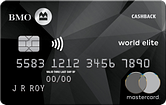
For instance, if your biggest spending categories are your monthly utilities and streaming services, you might choose a card with a high recurring bill reward rate, like the Scotia Momentum Visa Infinite + Card or BMO CashBack World Elite Mastercard.
Maybe you need a card for a more targeted reason, such as taking a trip overseas, so you want a credit card that waives the foreign exchange (FX) fee and includes some sweet travel perks. A no-FX-fee credit card like the Scotiabank Gold American Express Card might fit the bill since it avoids this fee, includes 12 types of insurance, and has Amex benefits.
Really not sure where to start? Try our 3-minute credit card quiz! It quickly identifies some of the best credit cards for you based on your personal finances and credit card needs.
Decide what you want from a card
If you know you want rewards, determine whether you'd prefer cash back or loyalty points. If you want the points, you'll also have to decide which loyalty rewards program – Aeroplan, Scene+, MBNA Rewards, etc. – you want to participate in.
If you're looking for a specific perk, try a card known for that benefit. These are some of the most popular credit card perks:
- Lounge access
- Roadside assistance
- Rental car insurance
- Mobile device insurance
- Dining, travel, or lifestyle credits
- Welcome bonuses
- Concierge service
Many of these perks provide substantial value to a credit card, so if you're weighing a few cards against their annual fees, comparing the value of each card's perks can help you make a decision.
Think about how you'll use the credit card
How you'll use a card can also help determine which ones you should research and apply for. For example, if you want to do a balance transfer, you should compare the top balance transfer cards before making a final choice.
Maybe you don't have any specific needs but would prefer a new card with a lower interest rate. Take note of your current rates and compare them with specialty low-rate cards to see which is the best fit.
If you know you'll be adding a supplemental cardholder, check out the fees for adding one. Some cards offer this opportunity for free, but others charge annually for additional members.
The best credit cards in Canada
To get you started on your research, here's an overview of the best credit cards available in Canada.
The cards we listed were chosen using our Genius Rating algorithm. It weighs over 126 data points for every credit card offered in Canada, giving you a jump-start on your research.
| Best Credit Card Categories | Credit Card Name | Rewards | Welcome Bonus | Learn More |
|---|---|---|---|---|
| Best travel card | American Express Cobalt Card | * 5 points per $1 spent on eligible groceries and restaurants (up to $2,500 spent per month) * 3 points per $1 spent on eligible streaming services * 2 points per $1 spent on eligible gas, transit, and rideshare purchases * 1 point per $1 spent on foreign currency purchases * 1 point per $1 spent on all other purchases | Up to 15,000 bonus points (terms) | Learn more |
| Best cash back card | MBNA Rewards World Elite Mastercard | * 5 points for every $1 spent on restaurants, groceries, and select recurring bills (up to $50,000 spent annually per category) * 1 point per $1 spent on all other purchases | Up to 30,000 bonus points (terms) | Learn more |
| Best no fee card | Rogers Red World Elite Mastercard | * Earn 2% cash back on all eligible non-U.S. dollar purchases if you have 1 qualifying service with Rogers, Fido, Comwave, or Shaw * Earn up to 3% cash back on all eligible purchases made in U.S. dollars * Otherwise, earn 1.5% cash back on eligible non-U.S. dollar purchases | None | Learn more |
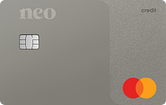
| Best secured card | Neo Secured World Elite Mastercard | * Average of 5% cash back at partner retailers * 5% cash back on groceries, up to $1,000 spent monthly * 4% cash back on recurring bills, up to $500 spent monthly * 3% cash back on gas and EV charging, up to $1,000 spent monthly * 1% cash back everywhere else |  $70 GeniusCash + None $70 GeniusCash + None | Learn more |
| Best airline card | TD Aeroplan Visa Infinite Privilege Card | * 2 points per $1 spent on Air Canada * 1.5 points per $1 spent on eligible gas, electric vehicle charging, groceries, travel, transit, and dining * 1.25 points per $1 spent on all other purchases | Up to 100,000 bonus points (terms) | Learn more |
| Best gas and transit card | CIBC Dividend Visa Infinite Card | * 4%† cash back on eligible gas, EV charging, and groceries * 2%† cash back on eligible restaurants, transportation, recurring bills/payments, and Expedia by CIBC * 1%† cash back on all other purchases | 10% cash back for the first 4 months, first year annual fee rebate (terms) | Learn more |
| Best student card | CIBC Aeroplan Visa Card for students | * 1 point per $1 spent on eligible gas, EV charging, groceries, and Air Canada * 1 point per $1.50 spent on all purchases | Up to 10,000 bonus points, first year fee rebate (terms) | Learn more |
FAQ
What should I research before getting a credit card?
Even before beginning your research, evaluate your spending habits. Then, decide what you want to get out of a credit card – specific rewards or cash back? Pinpoint the right card by finding one with a fee and reward structure that match your spending plan.
Why is doing credit card research important?
If you skip researching cards and go straight to applications, you could damage your credit score by applying for cards you don't qualify for. You might also end up being approved for a card that doesn't match your spending style or financial needs, so you ultimately miss out on rewards or pay more in fees.
What are factors to consider when getting a credit card?
First, consider why you're looking for a credit card. This can help you find a card for that particular reason. Next, consider a card's interest rates and fees so you're not surprised by charges. You'll also want to consider a card's rewards, benefits, and whether it helps you build your credit score.
How many credit cards is too many?
The perfect number of credit cards to have is different for every person, but you can usually tell whether you have too many credit cards if you're struggling to make the minimum payment on each card, carrying balances and paying interest, or you forget to use the cards strategically to earn rewards.
What's the best way to compare credit cards in Canada?
The best way to compare credit cards is to take the time to do your research. By not rushing into the application process and really learning about what it is you want from a credit card, you're more likely to find the best credit card for you. Our credit card quiz is a great place to start!
creditcardGenius is the only tool that compares 126+ features of 250 Canadian credit cards using math-based ratings and rankings that respond to your needs, instantly. Take our quiz and see which of Canada's 250 cards is for you.






 GC:
GC: 





























Comments
Leave a comment
Required fields are marked with *. Your email address will not be published.