
Best Balance Transfer Credit Cards In Canada
Canada’s best balance transfer credit cards, with as low as 0% interest.

A balance transfer credit card can be an incredibly helpful tool, and the best balance transfer credit card in Canada is the MBNA True Line® Mastercard®. Runners up include the CIBC Select Visa Card and Scotiabank Value Visa Card.
| Credit card | Annual fee | Balance transfer promo | Regular interest rates | |
|---|---|---|---|---|
| #1 | MBNA True Line Mastercard | $0 | * 0% for 12 months * 3% fee | * Purchase: 12.99% * Cash advance: 24.99% * Balance transfer: 17.99% |
| #2 | CIBC Select Visa Card | $29 | * 0% for 10 months * 1% fee | * Purchase: 13.99% * Cash advance: 13.99% * Balance transfer: 13.99% |
| #3 | Scotiabank Value Visa Card | $29 | * 0% for 9 months * 1% fee | * Purchase: 13.99% * Cash advance: 13.99% * Balance transfer: 13.99% |
Even just comparing the term lengths these cards offer for their balance transfers says a lot:
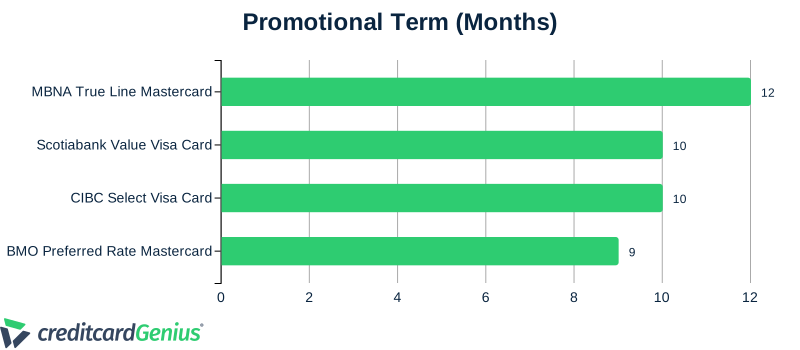
We chose these credit cards for their generous promotional rates, including the interest rate itself, along with the length of time you have to take advantage of that rate. Low annual fees and various perks also make them great balance transfer cards.
This article reviews these top cards, highlights the pros and cons of balance transfers, suggests strategies for choosing the best balance transfer credit card for your situation, and much more.
Key Takeaways
- The best balance transfer credit card in Canada is the MBNA True Line Mastercard, which offers 0% interest for 12 months.
- Balance transfer cards help you save on interest by letting you move high-interest debt to your new card that has a lower promotional interest rate.
- Most balance transfer cards charge a fee for the initial transfer, typically 1% to 5% of the amount transferred.
- You should not make purchases with a balance transfer credit card as you'll be charged a regular purchase interest rate.
The best balance transfer credit cards in Canada
Our Gold award for the #1 balance transfer credit card in Canada goes to the MBNA True Line Mastercard for its unbeatable balance transfer promotion and low balance transfer fee.
Our Silver award goes to the CIBC Select Visa Card for its lower balance transfer fee and sweet fuel discount.
And our Bronze award goes to Scotiabank Value Visa Card for its low interest rates across the board and very low annual fee.
We should point out that it's easy to focus solely on balance transfer rates, but if you intend to use the credit card for everyday purchases once you pay off your balance, don't forget to look at purchase interest rates and other card features that are important to you.
The #1 balance transfer credit card in Canada: MBNA True Line® Mastercard®



The MBNA True Line® Mastercard® offers a balance transfer offer that's essentially unheard of: an incredible 0% in interest for 12 months. Even after the 12-month promo period is over, the MBNA True Line Mastercard's regular 12.99% interest rate still beats most credit cards on the market (although the cash advance and balance rate are a little high).
Eligibility requirements for this card are pretty low, too. Expected credit scores are on the low end, there are no income requirements at all, and there isn't even an annual fee to consider.
The #2 balance transfer credit card CIBC Select Visa* Card



The CIBC Select Visa* Card's promotion provides a 0% rate for 10 months, but its transfer fee is only 1% of the amount transferred. Compared to a card with a 3% fee, you'll save an extra $20 for every $1,000 you transfer. You'll save money on the already-low $29 annual fee too, as it's waived for the first year.
If you earn Journie Rewards, you can link this card to your Journie account and get a nice fuel discount at participating gas stations. One more unusual yet rewarding perk offered by the CIBC Select Visa Card is a free 12-month Skip+ subscription.
The #3 balance transfer credit card: Scotiabank Value Visa Card


The Scotiabank Value Visa Card offers 0% interest for 9 months on your balance transfer, all for a low transfer fee of 1%. After the promo, this card has a flat interest rate of 13.99% across the board – making it one of the best low-interest cards available as well as an excellent balance transfer card.
Note that this card already has a low annual fee of $29, but even this is waived for the first year. Those who frequently use rental cars will also appreciate that Scotiabank Value Visa Card cardholders get a 25% discount at all Avis locations.
A new competitor: BMO Preferred Rate Mastercard®*
 $40 GeniusCash + 0% on balance transfers for 18 months + Very low interest rates.*
 GC: $40
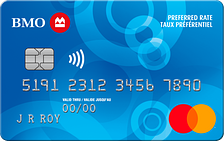
Since we announced the 2026 award winners, BMO has upped their game in the balance transfer space with the BMO Preferred Rate Mastercard. This new offer takes balance transfer promos to another level.
Get 0% for the first 18 months, with a 3% transfer fee. It's a stunning offer, giving you more than a year of relief from credit card interest.
This card is also free for the first year, saving you the typical $29 annual fee.
Here are all the interest rates for this card:
- Purchase: 13.99%
- Cash Advance: 15.99%
- Balance Transfer: 15.99%
Compare all top balance transfer credit cards by Genius Rating
We enter all
Note: With new market-leading balance transfer offers from BMO, the top balance transfer credit cards in Canada have changed since the 2026 Credit Card Awards were selected.
Here's how the cards compare when arranged by Genius Rating:
 ×1 Award winner GC: $150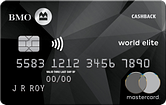
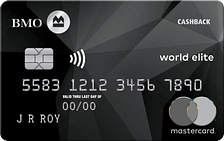 1x Award winner GC: $150
 GC: $100 + $50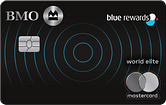
 GC: $40
The Genius Rating methodology
To identify the best balance transfer credit cards in Canada, our algorithm analyzes more than 126 features of each card, broken down into seven main categories:
- Interest: 34%
- Fees: 34%
- Rewards: 13%
- Insurance: 7%
- Perks: 7%
- Approval: 2%
- Acceptance: 2%
Learn more about our Genius Rating methodology
How to choose the right balance transfer credit card
With the number of valuable balance transfer credit cards and offers available, you'll need to pinpoint the best credit card for you based on things like your willingness to pay an annual fee and how long you need the promotional balance transfer period to last.
Card issuer
You might want a credit card from the bank or credit union you already use, but not so fast. You can't take out a new credit card from the same financial institution as the card that has the debt. Basically, you can't do a balance transfer within the same bank.
Interest rates
For balance transfer cards specifically, the interest rates are the most important factor – the lower the balance transfer rate, the easier it is to pay down the balance. However, when comparing balance transfer rates, don't forget to look at the card's standard interest rates too, since that's what you'll be paying if you charge new purchases to the card.
Here's how the regular rates of our top three balance transfer cards compare:
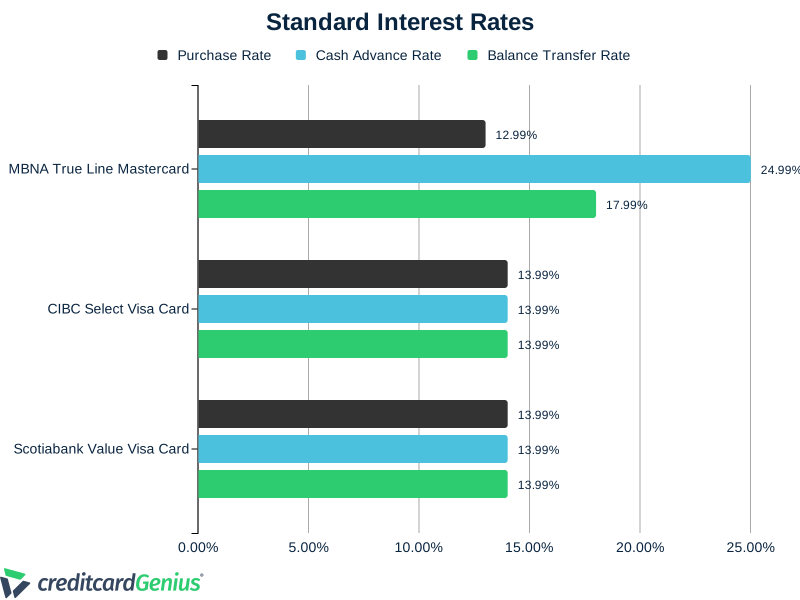
We'd show you a chart comparing the promo rates, but they're all 0%, so nothing shows up on the chart.
Fees
If you're looking for balance transfer cards, you're likely trying to get out of debt. Therefore, you don't want to pay much, if anything, to use the card.
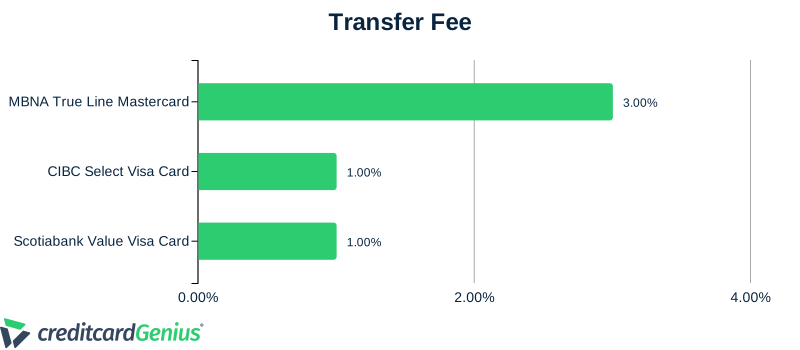
Take a close look at balance transfer fees, which are usually a percentage of the balance you're transferring. These range from 1 – 5%, with Canada's best balance transfer cards all charing 3% or less.
Consider the card's annual fee and other sneaky fees, too. Paying a high annual fee or frequent smaller fees defeats the purpose of paying down debt.
A note about promo periods: Try to set a budget and a goal for paying down your debt so you can do so well within the promotional period. If you think it may take you a while, choose a card that has a longer promotional period.
Rewards
We'll cut to the chase – balance transfer credit cards don't offer rewards. The goal is to pay down your existing credit card debt, so you shouldn't make purchases. And purchases are how you usually earn rewards.
There may be a rogue balance transfer card that offers rewards, but our top three do not. Be wary of those that do.
Tip: No matter what credit card you use, you could be earning bonus cash back on top of your card's rewards. Input your monthly spend in the GeniusCash app, and level up to earn real cash.
Perks
While travel or rewards cards include things like airport lounge access, personalized discounts, and more, balance transfer cards usually don't offer much. This is, obviously, because you're unlikely to use this card for spending. Still, when deciding between cards, check for benefits that may make one option more attractive than the others.
Looking at the cards on our list, the CIBC Select Visa Card gives you the chance to earn a fuel discount when you link your Journie Rewards account, and the Scotiabank card provides a 25% discount on Avis car rentals.
Approval
Check a credit card's credit score and income requirements before you apply for the best chance of being approved. Balance transfer cards typically have low requirements, but it's still important to check.
Here are the requirements of our top three cards in this category:
| Credit card | Estimated credit score requirements | Income requirements |
|---|---|---|
| MBNA True Line Mastercard | 660 - 724 | * $0 personal * $0 household |
| CIBC Select Visa Card | 560 - 659 | * $0 personal * $15,000 household |
| Scotiabank Value Visa Card | 760 - 900 | * $12,000 personal * $0 household |
How to use a balance transfer credit card
Using a balance transfer card is pretty straightforward once you know the details.
Here's what you can expect to do:
- Apply for the best balance transfer card for you: Once you've found potential cards, read the fine print about interest rates, promotion dates, and transfer fees. Then, submit your application and wait for approval.
- Decide how much debt you want to transfer: You can transfer up to your credit limit, but some cards only make a portion of your total limit available for a balance transfer.
- Start the balance transfer process: Begin moving the balances from your existing cards to your balance transfer card. Don't forget that there's usually a balance transfer fee, which typically ranges from 1% to 5%.
- Create and follow a monthly payment plan: Aim to pay off all of your debt (at least, as much as you can) by the time the promo interest rate ends. The more you pay off with a low interest rate, the more you'll save.
Remember: you can't complete a balance transfer between cards at the same bank.
Dos and don'ts of balance transfer credit cards
While saving a lot of money in interest is fantastic, there are some things to keep in mind to ensure you're making the most of a balance transfer opportunity:
Do:
- Pay off your balance before the promotional period is up: The main goal of a balance transfer card is to pay off your credit card debt. Be aware that if you don't, the interest rate on the card can jump back up to around 20% – see our notes about interest rates above.
- Pay your minimum balance on time every month: Ideally, you can chip away at your credit card balance, but if you're struggling to do that, focus on at least making the minimum payment each month.
- Take advantage of a low-interest-rate credit card: If you can't pay off your entire balance before the promotion period ends, look for a card that has low regular interest rates.
Don't:
- Open a balance transfer credit card without a plan: When you open the card, the clock is ticking on the promotional period. Make sure you have a budget and strategy for paying down the debt once you're approved.
- Buy things with your balance transfer credit card: The point of a balance transfer card is to make it easier to pay off your existing credit card debt. To help you accomplish this, don't make new purchases using your balance transfer card.
- Fall behind on your payments: If you miss a payment, not only will your credit score take a hit, but you could lose your promotional rate and be charged additional interest.
Is a balance transfer credit card worth it?
A balance transfer credit card offers a much lower interest rate on balances you move over from other cards for a limited period of time.
Let's say you have:
- $1,000 on a travel credit card with a 19.99% interest rate
- $1,500 on a rewards credit card with a 21.99% interest rate
If you get a balance transfer credit card, you can transfer those balances over (up to $2,500). Instead of paying around 20% interest on that money, you could be paying as low as 0% (not including the balance transfer fee) if you pay it off within the balance transfer period, which can range between three months to a year.
Let's take a look at an example with some hypothetical numbers. You can see how much interest you'd have to pay if you left the balances on the regular credit cards:
| Credit card | Balance | Interest rate | Monthly payment | Time to pay off | Interest paid |
|---|---|---|---|---|---|
| Travel credit card | $1,000 | 19.99% | $130 | 9 months | $79.02 |
| Rewards credit card | $1,500 | 21.99% | $182 | 9 months | $140.76 |
| Balance transfer credit card | $2,500 | 1.99% | $312 ($130 + $182) | 9 months | $18.84 |
But if you move those balances to a card with a balance transfer promotion of 1.99% interest, you'll save about $200 in interest charges.
Remember: You should pay off your balance before the balance transfer period ends. Otherwise, your balance will be subject to the card's normal interest rate.
How much can you save on interest?
Researching and applying for a balance transfer card can take time and energy, so is it really worth it?
To help you answer that question, spend a moment inputting your current debt and interest rate into the following calculator. Then, select a new interest rate to see how much you'd save on interest payments.
Credit Card Interest Calculator
Using the calculator is also a great way to compare different balance transfer offers.
Do credit card balance transfers affect your credit score?
No, balance transfers won't hurt your credit score and won't cause you to have bad credit. That said, you may see a slight change to your credit score after applying for a new credit card due to the hard credit check and lowering your average age of credit.
Our experience with the #1 balance transfer credit card
One of our team members used the MBNA True Line Mastercard to pay down some accrued credit card debt. She received instant approval and a credit limit of $2,000. Then, using the MBNA app, she easily transferred the balance over from her other credit card.
"It was a simple process and allowed me to pay the balance throughout the year-long promotion with no interest accruing. The only downside was the promotional calls. After about eight months, I started receiving two calls per day (almost every day!) from MBNA marketers to sell me on their ID Assist services. I asked to be removed from the contact list, and it took another few weeks for those calls to cease."
FAQ
What is the best credit card for a balance transfer?
The MBNA True Line Mastercard's balance transfer offer is hard to beat: 0% for 12 months after you make the transfer, and a reasonable 3% transfer fee – and no annual fee. This gives you a full year of interest-free payments, allowing you to tackle your balance.
What are balance transfers?
A balance transfer is when you move the balance of one credit card to another, usually so the user can take advantage of promotional interest rates and pay down their debt. Essentially, the new credit card is used to pay off the balance of the old card.
Who has the longest 0% balance transfer?
Currently, the MBNA True Line Mastercard has the longest 0% balance transfer offer, lasting for 12 months, though the CIBC Select Visa Card is close at 10 months. The average length of a balance transfer promotion in Canada is between six and 12 months.
Do balance transfers have a fee?
Yes, there is a specific fee that accompanies this action. These balance transfer fees are usually between 1% and 3% of the total amount of money being transferred. It's noteworthy that the CIBC Select Visa Card waives this fee for Quebec residents.
Do balance transfers hurt your credit score?
Balance transfers don't hurt your credit score, although it's possible that your score might take a temporary dip after you apply for a new balance transfer credit card. As long as you make your payments on time, though, your score should bounce back quickly.
Can you earn cash back or rewards on balance transfers?
No, credit card rewards only apply to purchases you make with the card. Balance transfers, refunds, and card payments do not qualify as purchases and therefore don't earn you any kind of rewards. They do offer significant debt relief, though, which can be even better than rewards.
Can balance transfers help your credit score?
It can, but there are some warnings. If you can pay off your debt faster with a balance transfer credit card, you should see your score go up. But if you repeatedly open new cards and transfer balances, you could damage your score because it shows you're struggling to manage your debt.
Editorial Disclaimer: The content here reflects the author's opinion alone. No bank, credit card issuer, rewards program, or other entity has reviewed, approved, or endorsed this content. For complete and updated product information please visit the product issuer's website. Our credit card scores and rankings are based on our Rating Methodology that takes into account 126+ features for each of 254 Canadian credit cards.