


When deciding between a business credit card vs. a personal credit card, the main question is whether you intend to use the card for business or personal transactions.
But if you’re wondering when the right time is to open a card dedicated to your growing business, consider the following:
- Do you have significant business expenses?
- Would you benefit from business spend tracking tools?
- Do you require multiple supplementary cards?
If the answer is yes, you should explore your business credit card options. This guide explores the similarities and differences between business and personal credit cards and covers Canada’s top business credit cards.
Key Takeaways
- A personal credit card is designed for your personal use, while a business credit card includes business management tools that help a company operate.
- Even though you can use a personal credit card for business use, this makes it harder to keep expenses separate, which may complicate taxes.
- A business credit card issuer might take your personal credit score into account when you apply for a card.
Never miss an amazing deal again + get our bonus 250+ page eBook for FREE. Join 50,000 other Canadians who receive our weekly newsletter – learn more.
Overview of business vs. personal credit cards
We’ll dive into the details of what sets these cards apart as well as commonalities, but here’s a quick look at their basic features.
| Business credit cards | Personal credit cards | |
|---|---|---|
| Eligibility | Considers business credit score or personal credit score | Must meet personal credit score and any applicable income requirements |
| Application process | Varies by issuer, but may require proof that the business exists in addition to a personal credit score | Requires personal information and a credit score |
| Credit limits | Typically higher | Often lower and based on your income/credit score |
| Credit reporting | May affect your business and personal credit scores | Only affects your personal credit score |
| Annual fees | From no-fee to premium cards with steep fees | From no-fee to premium cards with steep fees |
| Reward earn categories | Reward categories are typically targeted to business needs | Reward categories vary by card |
Key differences between business and personal credit cards
There are a few important distinctions between these cards that are worth looking at.
Eligibility
To be eligible for a personal credit card, you must be the age of majority in your province and meet the card issuer’s credit score and income requirements.
To be eligible for a business credit card, you don’t typically have to have a formal business structure, especially if you’re a sole proprietor, but you will need to give details that show your business exists.
Depending on the card issuer, you may need to provide business documents, such as your Master Business License, to be considered for a business credit card.
Application process
Both personal and business credit cards (including small business cards) use the same application process and will most likely pull your personal credit score. If applying for a business credit card, you’ll have to answer a few business-specific questions, most likely about income.
To apply for a personal or business credit card, complete and submit an application online or at a local branch of your bank or credit union.
Credit limits
Business credit cards usually have higher credit limits than personal credit cards, which can help with a company’s cash flow, especially if the company makes large purchases or has several employees on payroll.
Personal credit card limits vary based on your credit score and income. The lower your score and income, the lower your credit limit tends to be.
Credit reporting
Your personal credit card payment history is automatically reported to the two credit monitoring bureaus, Equifax and TransUnion.
Your business credit card payment history might also appear on your credit score if your card issuer reports to the bureaus. Since not all business cards affect your personal credit score, be sure to ask about the card issuer’s reporting practices before applying.
Annual fees
Both business and personal credit cards have a wide range of annual fees. Generally, the higher the annual fee, the more rewards and benefits you get from the card.
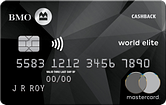
Canada’s top no-fee business credit cards include the Venn Corporate Card and BMO CashBack Business Mastercard.
The best personal credit card with no annual fee is the Rogers Red World Elite Mastercard, which offers extra benefits for Rogers customers. It’s rare to find a World Elite Mastercard with no annual fee.
Rewards
Rewards for business or personal credit cards can also vary widely, with personal cards having more everyday or travel rewards. Business credit cards usually have better rewards for business or office-specific purchases, but they may also give better returns for travel purchases.
Business credit card vs personal card similarities
Let’s take a look at what these card types have in common.
Both are credit products
Whether you open a personal or business credit card, both extend you lines of credit that you borrow against. As you make payments, you continue to have access to that credit. If you max out either card, you’ll be charged fees, and the issuer can freeze your access to credit.
Both (typically) require credit checks
Credit card issuers pull your personal credit score (and if you have it, your business credit score) when you apply for a new card. This score shows them how responsible you are with managing access to credit and making payments.
Looking for a business credit card that doesn’t require a credit check? Check out a prepaid card like the Venn Corporate Card or Float Card.
Both can affect your personal credit score
You might be surprised to learn that using a business credit card can affect your personal credit score, but it can. Not only will a hard credit check when you open the account temporarily ding your personal score, but you might be liable for the charges made with a business card if the issuer requires you to sign a personal guarantee.
Both come with interest charges
Read the fine print on any credit card you apply for, since you will be charged interest on purchases. That said, you may find that business credit cards have lower interest rates, so definitely shop around for a card before submitting an application.
Both may offer rewards, insurance, and other benefits
Again, no two credit cards are exactly alike, which just means you can find a personal or business credit card that has the specific rewards you’re looking for. Many cards also include some insurance coverage, and others have unique benefits like airport lounge access, roadside assistance, and personalized offers.
What to consider when deciding between a business or personal credit card
There’s no straightforward answer as to whether you should apply for a business or personal credit card since it totally depends on your needs and situation.
Liability concerns
With a personal credit card, you have liability protection for purchases you didn’t authorize on your card, but that’s about it. And, if you’ve been charging business expenses to your personal card, you’re personally liable if your company faces legal challenges.
Business credit cards also provide liability protection, which can be invaluable if you’ve authorized your credit cards for your employees to use. Be sure to understand the specific coverage your card offers. For example, RBC offers a Liability Waiver Program that protects your business against up to $100,000 in unauthorized employee purchases.
The RBC Avion Visa Infinite Business offers Visa Spend Clarity for Business, which features spend reporting, mobile receipt capturing, and real-time transaction alerts.
Spending habits
If you’re primarily using a credit card to earn rewards, you’ll notice personal credit cards have a variety of categories that earn increased cash back or points. For instance, you can find a card that gives you more rewards categories like gas, groceries, streaming services, restaurants, and recurring bills.
On the other hand, business credit cards usually offer more rewards for things like shipping, office supplies, and business websites (like Costco’s business centre website).
The CIBC Aeroplan Visa Business Card offers bonus rewards points on shipping, internet, cable, phone services, travel, and dining.
Long-term goals
If you know your business will need financing for a big project down the road, it’s wise to start building a business credit score early on. That way, lenders can evaluate your company’s finances instead of using your personal qualifications.
A personal credit card is a great fallback option if you’re primarily making personal purchases and want to build a good credit score for yourself or earn rewards that you can cash in.
Credit score impact
Which credit score are you trying to improve? If you’re using your personal credit card for business purchases, you’re missing out on the opportunity to build a solid business credit score.
Keeping your business and personal credit scores separate can be smart, especially if your business experiences fluctuations in income and you have to charge more to the card than usual.
Plus, some business credit cards have significantly longer grace periods, so you have more time to repay debt without it affecting your credit score.
Expense tracking
If you dread doing your taxes and separating your personal and business expenses, a business credit card that has expense tracking tools might be the way to go.
Business management tools are often included with business credit cards, and they can help you generate expense reports, year-end spending reports, and more.
The following top business credit cards include Visa Spend Clarity:
Employee cards
You can add authorized users to personal and business credit cards, but some card issuers charge an annual fee to add users.
Usually, you can only add one or two authorized users to a personal credit card, but business credit cards can let you add up to nine or more (depending on the issuer). This can help you distribute company cards to employees.
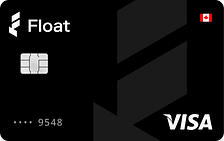
Float is a useful option for businesses that require lots of supplementary cards. Float’s free plan includes up to 20 physical cards and unlimited virtual cards.

Credit limits
If you need a card with a high credit limit because you frequently make large purchases, a business credit card might offer you a higher credit limit. This can give you some flexibility with cash flow, especially if the business card has lower interest rates.
Pros and cons of business credit cards
Business credit cards aren’t right for everyone, so consider the benefits and limitations of using one.
Pros:
- Higher credit limits
- Business-specific rewards and discount offers
- Flexible repayment terms may be available
- Separate credit profile
- Inexpensive and accessible employee cards
- Protections in case of employee abuse
- Financial management tools and features
- Keeps personal and business finances separate
Cons:
- May involve personal liability
- Rewards may not be as valuable
- Might have higher interest rates and fees
- Often charges an annual fee
- Card selection is limited
- Limited regulatory protection
Best business credit cards
Ready to find the best business card for you? Take a look at how the top card options from Visa, Mastercard, and Amex compare.
| Card Name | Annual Fee | Rewards | Welcome Offer | Learn More |
|---|---|---|---|---|
| RBC Avion Visa Infinite Business | $175 | * 1.25 points per $1 spent on the first $75,000 in annual purchases * 1 point per $1 spent afterwards | 25,000 bonus points (terms) | Learn More |
| Scotiabank Passport Visa Infinite Business Card | $199 | * 1.5 points per $1 spent | Up to 40,000 bonus points (terms) | Learn More |
| CIBC Aeroplan Visa Business Card | $180 | * 2 points per $1 spent on Air Canada * 1.5 points per $1 spent on shipping, internet, cable, phone services, travel, and dining * 1 point per $1 spent on all other purchases | Up to 60,000 bonus points (terms) | Learn More |
| BMO Ascend World Elite Business Mastercard | $149 | * 4 points per $1 on gas, office supplies, and cell phone/internet bills * 1.5 points per $1 spent on all other purchases | Up to 70,000 100,000 bonus points (terms) | Learn More |
| The Business Platinum Card from American Express | $799 | * 1.25 points per $1 spent on all purchases | Up to 120,000 bonus points (terms) | Learn More |
| BMO CashBack Business Mastercard | $0 | * 1.75% cash back at Shell * 1.5% cash back on gas, office supplies, and cellphone/internet bills * 0.75% cash back on all other purchases | 10% cash back on gas, office supplies, and recurring cell phone/internet bill payments for the first 3 months (terms) | Learn More |
| Float Card | $0 | * 1% cash back after the first $25,000 in monthly purchases | $500 cash back (terms) | Learn More |
FAQ
Should I get a personal or business credit card?
If you want to keep personal vs. business expenses separate while having access to business management tools, select a business credit card. Otherwise, you can find a personal credit card that has the rewards and features you’re looking for.
What's the best business credit card in Canada?
Overall, the best business credit card in Canada is the RBC Avion Visa Infinite Business credit card. We like it for its valuable rewards that you can redeem in a number of ways. Plus, you’ll get 12 types of insurance coverage.
Can I use a business credit card for personal use in Canada?
Although you can use a business credit card to make payments for your own things, it’s not a good idea. You’re mixing your business and personal purchases, which can make paperwork, like taxes and deductions, difficult.
Is it better to get a personal credit card or a business credit card?
Whether or not you decide to get a personal or business card completely depends on your business needs and what you’re planning to use the credit card for. Consider business management tools, reward structures, and annual fees before deciding.
Is business credit separate from personal credit in Canada?
Yes, your personal credit only takes your individual credit history into account, while a business credit score is distinctly tied to your business’s credit history. This gives lenders a more accurate picture of your company’s reliability when it comes to payments.
What are the differences between the Costco credit card business vs. personal card?
Both are no-fee credit cards issued by CIBC, but the purchase interest rate is lower for the business card, and you’ll get 2% cash back on shipping, insurance purchases, and costcobusinesscentre.ca purchases.
creditcardGenius is the only tool that compares 126+ features of 255 Canadian credit cards using math-based ratings and rankings that respond to your needs, instantly. Take our quiz and see which of Canada's 255 cards is for you.




 GC:
GC: 



























Comments
Leave a comment
Required fields are marked with *. Your email address will not be published.