


If you've asked yourself "what is the best way to manage multiple credit cards?" you're not alone, and the best advice is to strategically use your specific cards for purchases that earn the most rewards. If your rewards card earns 5% on groceries, but your cash back card earns 3% back on gas, use the cash back card for gas and the other for groceries.
Maximizing rewards is all about using the right card for specific spending. This may seem simple, but it can get complicated if you have too many cards in your wallet.
Below, we explain how to create your own credit card strategy so you'll know which card to use for each purchase.
Key Takeaways
- The best way to manage multiple credit cards is to understand their reward systems and use the highest-earning card for specific purchases.
- Focus on applying for credit cards that reward your top spending categories, and one solid all-around rewards credit card for other purchases.
- The number of credit cards you should have completely depends on your personal finances and credit card needs.
Never miss an amazing deal again + get our bonus 250+ page eBook for FREE. Join 50,000 other Canadians who receive our weekly newsletter – learn more.
Is it good to have multiple credit cards?
What's the best way to manage multiple credit cards? Well, the first question you should ask is whether it's good to have multiple credit cards in the first place – and the answer is yes, it can be, especially as having a backup card can be a lifesaver if your main credit card is declined for any reason.
There's a huge variety of credit card types and reward programs, so you might want one for travel, a separate one for grocery shopping, and another one for fueling up. Or one that you charge your everyday expenses to and one with no foreign exchange (FX) fees that you reserve for travelling.
Perhaps you have a Mastercard for Costco shopping and an Amex for other daily spending. The combinations are endless.
Having multiple credit cards may also help your credit score. Paying your balance off each month shows that you can be trusted to use your credit responsibly. Credit bureaus also look at how much credit you're using vs. how much you have available. The higher your total limits and the lower your balances, the better your credit utilization score will be.
How many credit cards should you have?
There's no definitive answer regarding how many cards a person should have, since everyone's needs and spending habits are unique. However, if you've never had credit cards before, it's probably best to start with just 1 or 2 cards. This way, you can learn about how to use your credit and make payments.
Once you feel comfortable with managing your cards, you can add more credit cards as your income and credit score allow. For instance, you might start with a basic no-fee credit card and use it for a few years. When your income grows and your credit score improves, you might apply for a couple of rewards cards.
Remember, the number of credit cards you should have is completely up to you.
How to manage multiple credit cards for the most rewards
Managing multiple credit cards to maximize rewards requires a strategy. Here are some things you should consider to get the most out of your credit cards:
Take advantage of welcome bonuses
Credit card issuers should be fighting for your business! This is why they offer incentives for signing up for their cards.
Welcome bonuses often include bonus points or cash back – points usually require a minimum spend and cash back typically has a cap. Many cards also waive the annual fee for the first year.
If you've got your eye on a card, consider waiting until there's a strong sign-up bonus so that you can start off with a good chunk of points.
Negotiate annual fees
Almost all premium rewards cards come with an annual fee – but sometimes these fees are negotiable.
Don't hesitate to call your card issuer each year to discuss waiving the fee. Most companies would rather negotiate than lose you as a customer. Keep these details in mind when negotiating your annual fee:
- Mention that you are a long-standing customer (the longer, the better) and that you pay your bill every month without issue. The credit card company makes money off every transaction you make, so they have an incentive to keep you happy.
- Do some quick research on other current credit card offers with sign-up bonuses or no annual fees – and don't be afraid to mention these in your conversation.
- You won't get your annual fee waived unless you explicitly ask for it. The worst they can say is no.
Remember: Waiving the annual fee means more money in your pocket and maximizes your return.
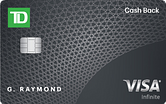
Another option for having your annual fee waived is to hold a bank account with the same bank that issues your credit card. For example, the TD Visa Infinite and Visa Platinum cards, such as the TD Cash Back Visa Infinite* Card, waive the annual fee for the primary cardholder and one supplementary cardholder if you have a TD All-Inclusive Banking Plan.
Know your spending and tailor your card use to it
Understanding your spending is especially important if you have a card that offers higher earnings on specific categories. You'll want to choose credit cards that offer rewards for your most common spending categories.
To help you determine where you spend the most, look at your credit card transactions from the past few months. Pay particular attention to categories that credit cards often have boosted earn rates for, like these:
- Gas
- Groceries
- Recurring bills
- Restaurants
- Travel
Once you identify the categories where you spend the most, you can figure out which cards to use for those purchases.
For example, you might use the American Express Cobalt Card for all restaurant and grocery purchases to get 5% back, the American Express Aeroplan Reserve Card to book Air Canada flights for 3% back, and the SimplyCash Preferred Card from American Express to get 2% back on all other spending.
The number of cards you use depends on how many you're comfortable having in your wallet. Some people prefer to stick to 2 cards while others have no problem choosing from 4 or 5 different cards for their purchases.
The bottom line: No matter which card you use, funnel as much of your spending as possible into the categories that offer the highest return.
Make your payments on time
Credit cards are great for earning rewards, but those rewards are quickly negated if you're paying monthly interest on your balance. One of the most important steps for earning rewards is to always pay off the full balance each month.
One easy way to ensure your balance gets paid is to have it automatically withdrawn from your bank account at the end of each billing cycle. That way, you'll never forget to pay on time again.
Max your credit card rewards with GeniusCash
There's one more way to max your credit card rewards: Use the GeniusCash app.
GeniusCash is a cash back rewards app developed by moneyGenius that sends real cash straight to your bank account. It's the easiest way to earn max cash back on what you're already spending.
When you download the GeniusCash app and connect your cards, you'll receive custom recommendations to help you make the most of your everyday expenses – from which card to use at the grocery store or gas station to financial product and service offers that can help level up your returns.
As you complete GeniusCash Quests and refer friends to the app, you'll level up and earn more cash back. Plus, you'll be the first to know about new, limited-time GeniusCash offers so that you never miss a deal.
Credit card churning - good or bad?
Credit card churning is a strategy in which you open new credit cards solely to take advantage of welcome bonuses, such as cash back or rewards points.
The goal is to earn the reward and then cancel or downgrade the credit card, especially since these cards often charge an annual fee after the first year.
Since applying for new credit can damage your credit score, credit card churning isn't for everyone, especially if you struggle to keep your balances paid off.
FAQ
How should you use multiple credit cards?
The biggest tip for using multiple credit cards is to be strategic. Start by identifying your biggest spending categories, then shop with cards that offer higher rewards rates in those categories. It's also a good idea to have an all-around everyday spending card that earns steady rewards for non-category purchases.
What is the best credit card that has rewards?
The best rewards credit card in Canada is the American Express Cobalt Card, which has won 9 creditcardGenius awards this year alone. We love the card's high average rate of return – 3.94% – and the fact that it's part of the American Express Membership Rewards program.
What is credit card churning?
Credit card churning is a strategy in which you apply for new credit cards simply to take advantage of welcome offers and bonuses. Once you've earned the bonus rewards, you downgrade or cancel the card. Churning can be risky, as repeatedly cycling through cards can damage your credit score.
Is credit card churning bad for credit scores?
Credit card churning can hurt your credit score because credit bureaus track how many accounts you have open. If you're using the cards heavily, your credit utilization ratio increases. But if you have multiple cards and keep the balances low, your score won't necessarily take a hit.
What's the best credit card welcome bonus right now?
Credit card welcome bonuses are always changing, but at the time of writing, the BMO Ascend World Elite Mastercard has a market-leading bonus. You can earn up to $771 in value with bonus points. Plus, right now, you can get $150 in GeniusCash. Or check out the TD First Class Travel Visa Infinite Card, with a welcome offer worth $800. This card can get you $100 in GeniusCash.
creditcardGenius is the only tool that compares 126+ features of 250 Canadian credit cards using math-based ratings and rankings that respond to your needs, instantly. Take our quiz and see which of Canada's 250 cards is for you.





 GC:
GC: 




























Comments
Leave a comment
Required fields are marked with *. Your email address will not be published.